
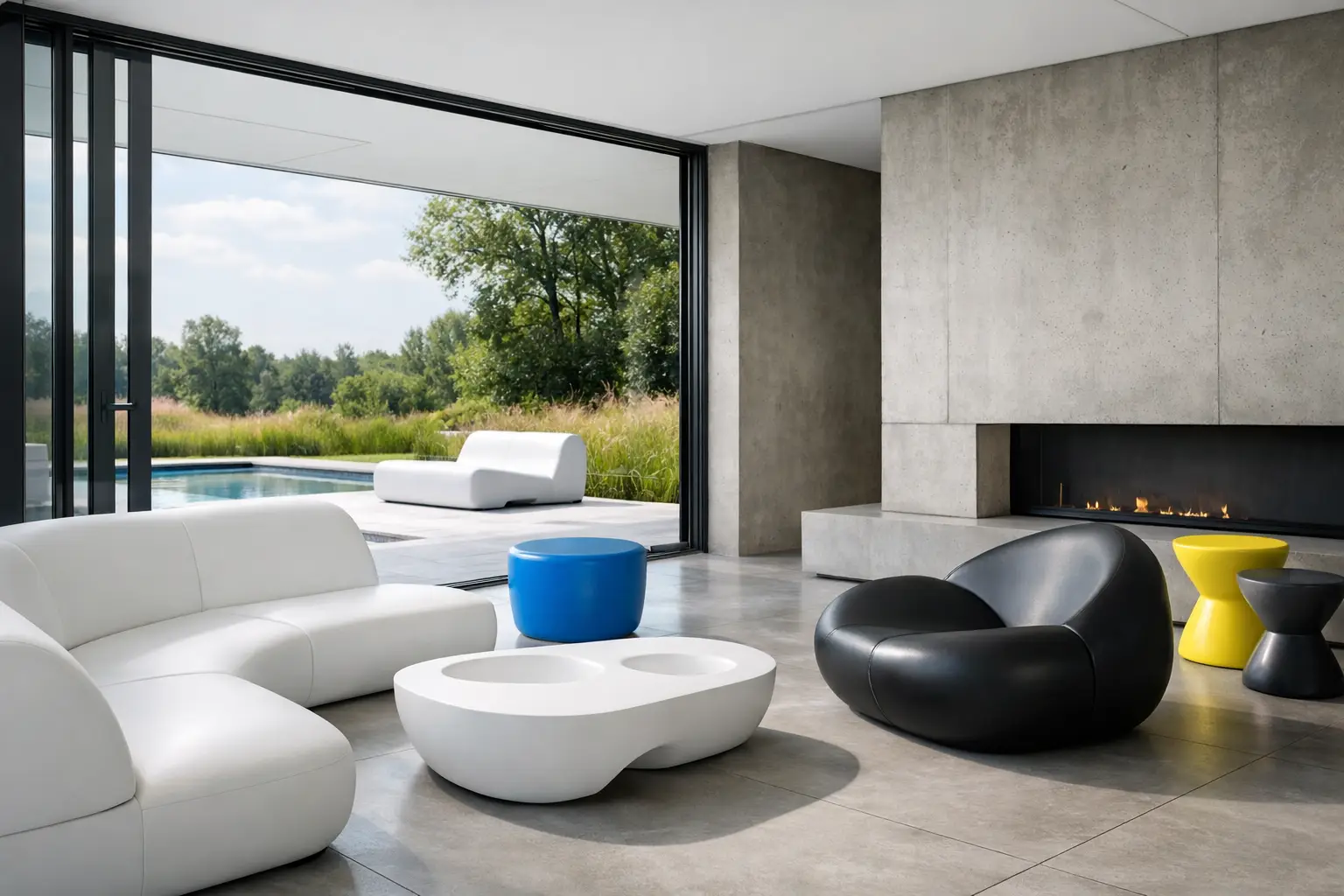
A hotel terrace at noon, a poolside lounge after a storm, a public plaza through a busy weekend: these are the moments when waterproof furniture is tested. For architects and designers, the question is not simply whether a seat can get wet. It is whether it can retain its form, finish, comfort, and visual authority after repeated exposure to water, cleaning, traffic, and changing weather.
That distinction changes the design conversation. Waterproof performance should support a concept rather than limit it to conventional outdoor silhouettes, visible seams, or removable cushions. When material technology is integrated into the object itself, seating, planters, and landscape elements can become more sculptural, more continuous, and more specific to the space around them.
Waterproof Is a Performance Requirement, Not a Style
The word waterproof is often used loosely. In furniture specification, it should describe a system that prevents water from penetrating the piece in normal use, rather than a surface that merely tolerates an occasional spill. A water-resistant textile may repel moisture for a period of time, yet still rely on internal foam, seams, zippers, frames, or cavities that need protection. That can be suitable for covered terraces or light-use hospitality settings, but it is a different proposition from a fully coated form designed for wet environments.
For outdoor and public projects, performance is rarely about one isolated event. Rain can collect in low points. Chlorinated pool water can leave residue. Guests may move furniture across wet decking. Maintenance teams may clean surfaces frequently. In each case, the material must handle moisture without creating a hidden maintenance issue beneath the visible finish.
A waterproof object also needs to be considered alongside drainage, placement, and intended use. No material can compensate for poor site planning. Furniture placed in standing water, exposed to extreme conditions year-round, or installed where drainage is blocked will require a more demanding specification than a piece used under a sheltered canopy. The right choice depends on the project, not on a label alone.
How Coated Foam Creates Waterproof Furniture
Coated foam construction takes a different route from upholstered furniture. Instead of wrapping a form in fabric, a shaped foam core is finished with an elastic protective coating. The result is a continuous skin that can follow complex geometry without the visual interruption of stitched upholstery, hard shell joints, or bulky weather covers.
This matters because the same process that protects the foam can also preserve the original design intent. A rounded lounge element can remain soft in appearance. A playful sculptural bench can retain its one-piece character. An oversized seating landscape can read as an architectural volume rather than a collection of cushions placed together.
At Sixinch, this approach is central to turning expressive foam forms into usable furniture and architectural elements. The coating is not an afterthought applied to a standard product. It is part of the fabrication logic, allowing designers to consider shape, color, texture, and environmental performance as connected decisions.
The tactile experience is equally relevant. Waterproof does not need to mean rigid, cold, or visually technical. Depending on the coating system, form and application, the surface can maintain a soft visual presence while remaining easy to wipe down. That makes coated foam especially compelling in lounges, hospitality settings, wellness spaces, retail interiors, and outdoor social areas where comfort and image are inseparable.
A Continuous Surface Has Design Advantages
Seams are useful in traditional upholstery, but they are also points where water, dirt, and debris can collect. A continuous coated surface reduces those interruptions and creates a cleaner visual read. For branded spaces, that can make a major difference: a custom color field, organic bench, logo-inspired form, or large landscape object appears more intentional when the finish flows across the entire volume.
Continuous surfaces also simplify the visual language of a project. Rather than introducing separate materials for structure, padding, and upholstery, designers can work with a unified object. This is particularly useful where furniture is intended to feel integrated with architecture, planting schemes, or experiential installations.
Shape Still Requires Technical Discipline
Design freedom is not the same as design without constraints. Very deep recesses, sharp internal corners, unsupported projections, and forms that trap water need careful development. The most successful waterproof pieces are designed with fabrication, drainage, durability, and user behavior in mind from the beginning.
A strong manufacturing partner will review wall thickness, edge transitions, joining methods, handling requirements, and intended exposure before production begins. This technical work protects both the object and the original concept. It is how an ambitious sketch becomes a piece that can be installed, used, maintained, and specified with confidence.
Where Waterproof Seating Makes the Strongest Impact
Waterproof furniture earns its place where exposure and experience meet. Pool decks, resort terraces, rooftop hospitality, spa environments, beach clubs, outdoor campuses, and public landscapes are obvious applications. Yet the material can be just as valuable indoors where cleaning protocols are demanding or where a project needs an unconventional form without the vulnerability of conventional upholstery.
In a children’s museum, for example, soft sculptural seating may need to withstand high traffic and frequent cleaning. In a retail activation, a branded seat may need to create immediate visual impact while tolerating wet outerwear, drink spills, and continual use. In a wellness setting, the objective may be a calm, monolithic lounge form that feels appropriate beside water without requiring loose cushions or protective covers.
Color is another strategic advantage. A waterproof finish can support saturated statement colors, subtle neutrals, or project-specific tones that align furniture with wayfinding, brand identity, or landscape planting. For designers working on immersive environments, the ability to make color part of the form – rather than an accessory added later – creates more coherent spaces.
What Waterproof Does Not Automatically Guarantee
Waterproof performance should never be confused with indestructibility. Water protection is one part of a broader material evaluation that may include UV resistance, abrasion resistance, color stability, chemical exposure, fire requirements, slip considerations, and resistance to vandalism. A poolside project and an airport waiting area can both require easy-clean furniture, but the stress placed on the surface is different.
Sun exposure deserves particular attention. Intense UV conditions can affect color and surface aging over time, especially with dark or highly saturated tones. Designers should consider orientation, shade, climate, and the expected lifecycle of the installation. A dramatic black lounge in a shaded courtyard may be an excellent choice; the same finish in relentless direct sun requires a more careful conversation about heat and long-term appearance.
Cleaning methods matter too. A wipeable surface encourages maintenance efficiency, but harsh solvents, abrasive tools, and unapproved chemical products can damage many finishes. The best maintenance plan is usually simple: regular removal of dirt, prompt attention to spills, mild approved cleaning methods, and clear instructions for facility teams. Durable design works best when care expectations are realistic and communicated early.
Specify Waterproof Furniture With the Whole Project in Mind
The specification process should begin with use, not aesthetics alone. Consider whether the furniture is permanently outdoors, occasionally exposed, or used in a humid interior. Think about who will use it, how often it will be moved, whether it must be anchored, and how staff will clean around and beneath it. These questions shape the right form as much as the right material.
Scale is equally important. A single waterproof pouf can add flexible seating to a terrace, while a custom modular landscape can define circulation, gathering, and identity across a large public zone. In both cases, the object should respond to the architecture rather than merely occupy leftover space.
For custom work, bring the visual ambition into the technical discussion early. Reference images, drawings, dimensions, color direction, site conditions, and installation constraints all help translate an idea into a viable coated-foam solution. Early collaboration allows the design team to refine details before they become expensive compromises later in the process.
The most compelling waterproof furniture does more than survive rain or spills. It gives designers permission to create forms that belong in demanding spaces – bold enough to be remembered, practical enough to be used every day, and resolved enough to keep performing long after opening day.