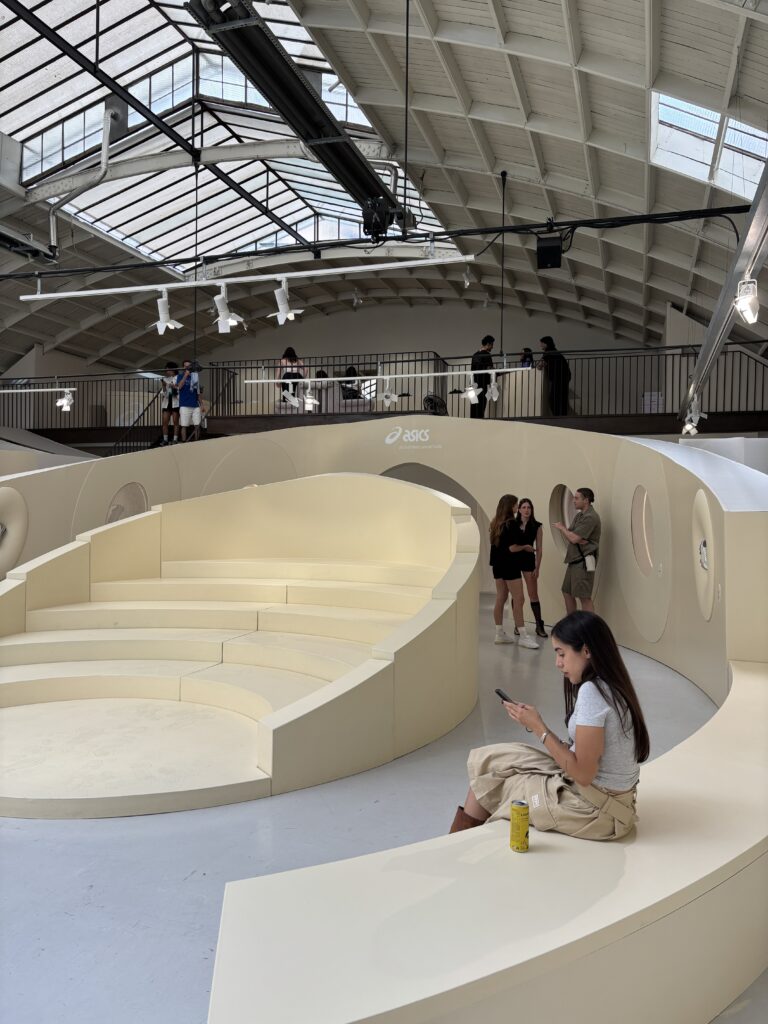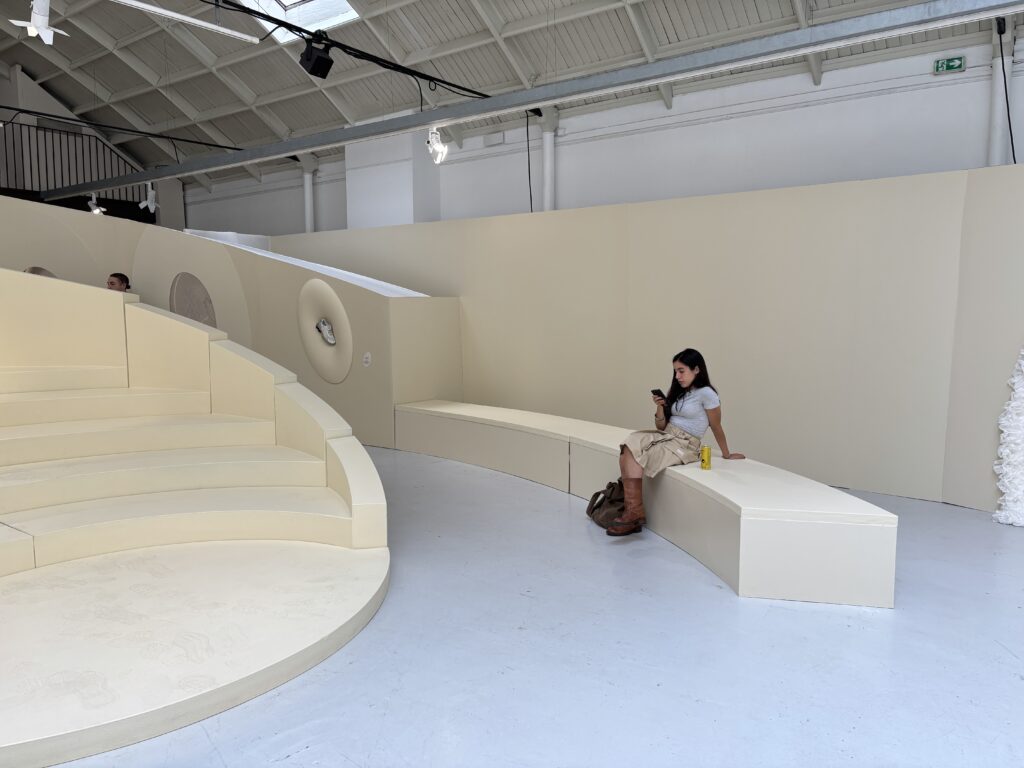
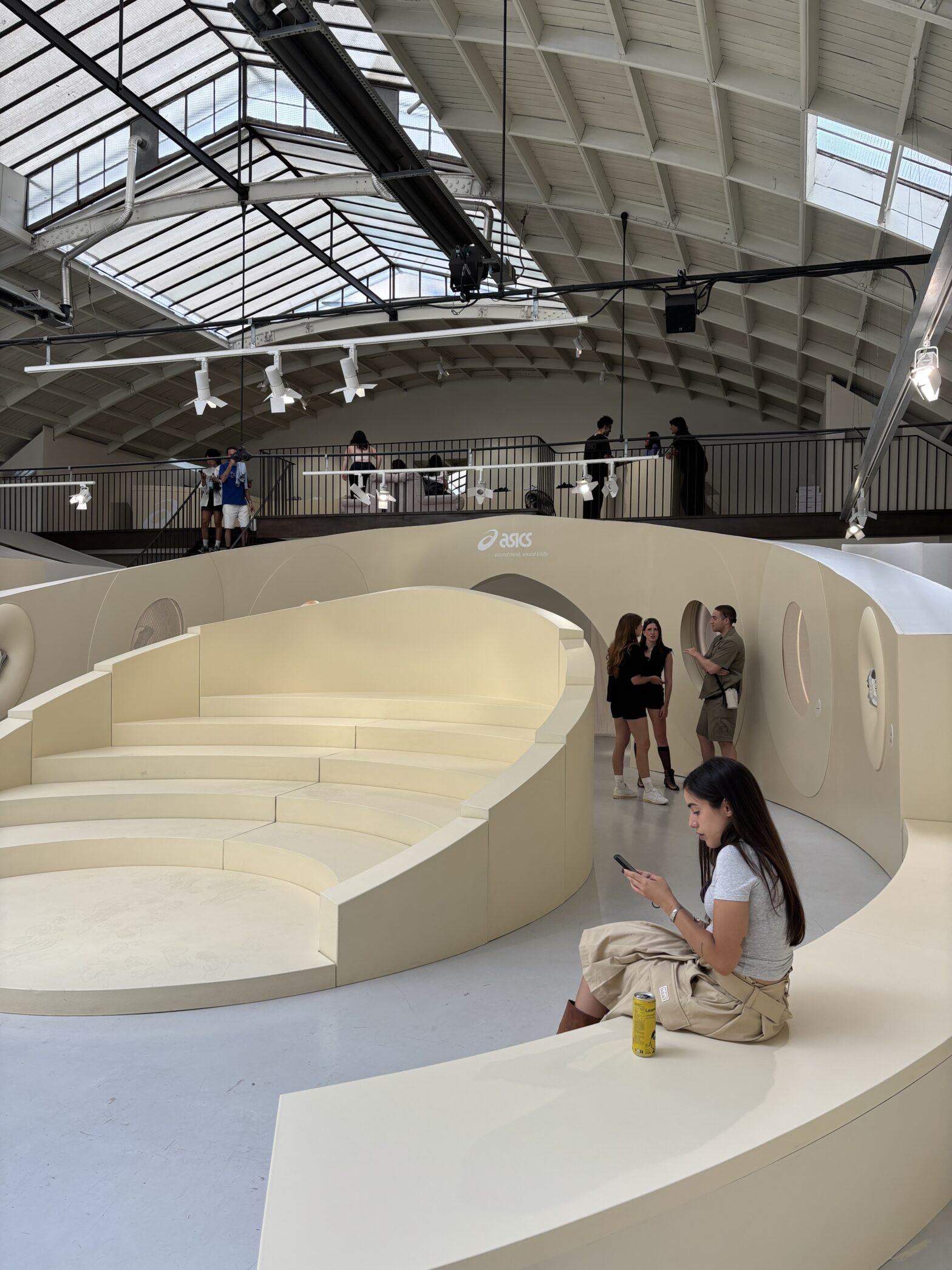
A lobby banquette can photograph beautifully on opening night and still fail six months later if the seat height is off, the foam density is wrong, or the finish cannot handle constant turnover. That is why a guide to custom hospitality seating projects needs to go beyond mood boards. In hospitality, seating has to earn its place every day – visually, physically, and operationally.
Custom seating is rarely just furniture. It shapes circulation, sets the tone of the brand, absorbs wear, frames guest behavior, and often becomes the most visible architectural element in the room. For architects, interior designers, and hospitality developers, the real challenge is not coming up with a striking concept. It is carrying that concept through specification, prototyping, fabrication, and installation without losing intent.
What makes custom hospitality seating different
Hospitality seating lives under more pressure than most commercial furniture categories. Guests linger, slide, spill, lean, drag bags, move chairs, and use edges in ways no rendering can fully predict. A custom piece also has to satisfy more stakeholders than a standard product selection. Design wants originality, operations wants durability, ownership wants a strong return, and contractors want dimensions that actually work on site.
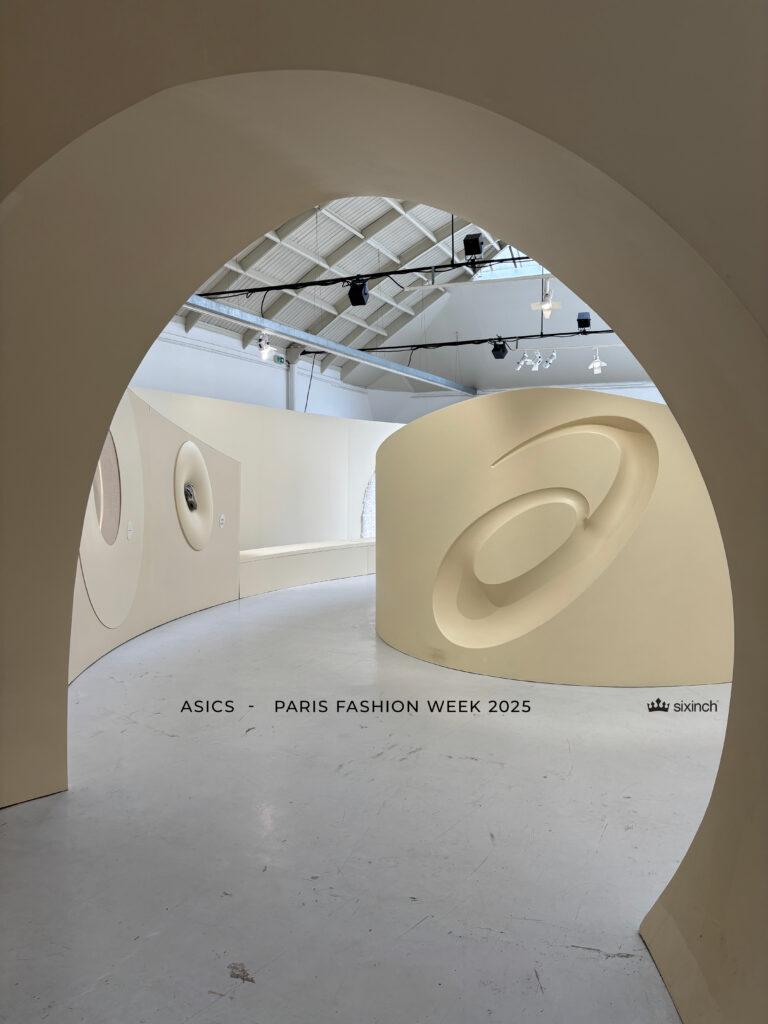
That tension is exactly why custom can outperform off-the-shelf solutions when handled well. Instead of forcing a concept to fit existing typologies, a custom approach lets the seating respond to the architecture, the guest journey, and the brand identity at the same time. Curved lounge forms, integrated planters, branded color fields, sculptural benches, and multi-zone soft seating all become possible. The trade-off is that every early decision carries more weight.
A guide to custom hospitality seating projects starts with use, not form
Bold form matters in hospitality. Memorable environments are part of the business model. But the most successful projects begin with behavior. Who is sitting here, for how long, and what else are they doing while they sit?
A hotel lobby seat used for short waits behaves differently from a rooftop lounge sofa built for long social sessions. A restaurant banquette has different posture needs than a wellness waiting area or a co-working hospitality hybrid. If the use case is vague, the seating usually ends up trying to satisfy everyone and fully satisfying no one.
This is where programming becomes design protection. Define the expected dwell time, traffic volume, cleaning frequency, repositioning needs, and whether the seating is meant to encourage privacy, interaction, or quick turnover. Once those conditions are clear, the formal language can be pushed much further without compromising performance.
The dimensions that quietly decide success
Many custom hospitality failures are not dramatic. They are subtle. The seat is slightly too deep for upright dining. The back pitch looks elegant but feels tiring. The bench edge is visually crisp yet uncomfortable after ten minutes. These problems are rarely solved late.
Human factors should be tested early, especially when the geometry departs from standard seating. Sculptural forms are often worth pursuing, but they need calibrated comfort zones. In some cases, a piece can prioritize visual impact and short-duration use. In others, comfort needs to lead. It depends on the space and the business model.
Material and finish choices shape the lifespan
In design-led hospitality, material decisions often carry the aesthetic concept. They also determine whether the project ages with confidence or degrades visibly under traffic. For custom seating, that means evaluating more than color and texture.
Foam construction, coated finishes, upholstery strategy, edge resilience, stain resistance, UV exposure, and maintenance protocols all matter. A monolithic coated-foam piece can achieve a clarity of form that upholstered furniture often cannot. It can also simplify surfaces, minimize seams, and support highly customized geometry. That makes it especially compelling in branded environments, public-facing interiors, and projects where soft sculptural volume is part of the design language.
At the same time, no material is universally right. Upholstery may be preferable where acoustic softness, fabric tactility, or replaceable covers are priorities. Coated finishes may be the stronger move where wipeability, shape freedom, and visual consistency matter more. The point is not to start from a preferred material category. It is to match the fabrication logic to the actual demands of the space.
How to align design ambition with production reality
The best custom seating projects feel effortless because the complexity was resolved early. That usually comes down to a strong dialogue between designer and manufacturer before drawings are treated as fixed.
Complex curves, overscaled volumes, integrated lighting, embedded branding, outdoor exposure, and modular layouts are all achievable. But each one affects tooling, tolerances, transport, site access, and installation sequencing. A beautiful concept that cannot get through the elevator or align with the finished floor buildup is not a design victory.
Questions worth resolving before fabrication
Ask where the piece will be made in sections, how joints will be handled visually, what tolerances are acceptable, and how the final object will be moved into place. Clarify whether the seating needs to be freestanding, anchored, or reconfigurable. Confirm how cleaning crews will work around it and whether replacement of one module is possible without disturbing the full installation.
These are not secondary questions. They often define whether a custom project remains elegant after handover.
Prototyping is where custom seating gets honest
Renderings are persuasive, but prototypes are corrective. In hospitality, even a partial mock-up can prevent expensive compromises later. It reveals posture, edge softness, perceived scale, and finish behavior in actual light.
For highly customized forms, prototyping is also where design intent can become more ambitious, not less. Once the team understands how the form performs physically, refinements tend to get sharper. Radius transitions can be improved, heights adjusted, and modules better balanced. What looks resolved on screen often still has room to become more convincing in the room.
A prototype does not always need to be a full production piece. Sometimes a seat section, corner radius, or finish sample at meaningful scale is enough to validate the concept. The key is to test the part of the design carrying the most risk.
Budget conversations should focus on value, not just unit cost
Custom hospitality seating is easy to misread if the conversation stays at price-per-piece. A standard chair and a custom banquette are not equivalent decisions. One fills a floor plan. The other can define the identity of the venue, support zoning, reduce the need for additional architectural features, and create a signature guest impression.
That does not mean every space needs bespoke seating. Sometimes a standard product is exactly right. But when the seating is central to the concept, custom work should be judged on the value of integration, durability, and visual impact over time.
This is especially true in branded hospitality environments. If the seating carries the atmosphere of the project, it is part of the brand architecture. In that context, material longevity, maintenance logic, and the ability to deliver a specific form are often more meaningful than chasing the lowest upfront number.
The strongest custom hospitality seating projects feel inevitable
When a project is working, the seating looks like it belongs nowhere else. It reinforces the architecture instead of decorating it. It organizes the room without cluttering it. It supports guest comfort while still making a visual statement.
That result usually comes from disciplined choices, not excess. A restrained color field with an unexpected silhouette can be more powerful than adding multiple gestures at once. Likewise, a single custom element placed with confidence can outperform a room full of disconnected special pieces.
For specifiers and designers, this is where a fabrication partner matters. You need someone who understands that custom does not simply mean made to order. It means translating intent into something buildable, durable, and precise. Sixinch has built its reputation in exactly that territory, where sculptural freedom and manufacturing control need to meet without compromise.
Guide to custom hospitality seating projects: what to protect until the end
Every project reaches a stage where timelines tighten, trades overlap, and simplifications start to look tempting. That is normal. The trick is knowing which elements can flex and which ones carry the entire concept.
Protect the proportions. Protect the comfort geometry. Protect the finish quality. Protect the aspects of the seating that make the space recognizable. If savings or adjustments are needed, they should come from informed substitutions, modular efficiencies, or scope refinement, not from eroding the core experience.
Hospitality guests may never know why one space feels effortless and another feels slightly off. They will feel it anyway. Custom seating has that kind of influence. When it is conceived with rigor and fabricated with skill, it does more than fill a room. It gives the room its identity.